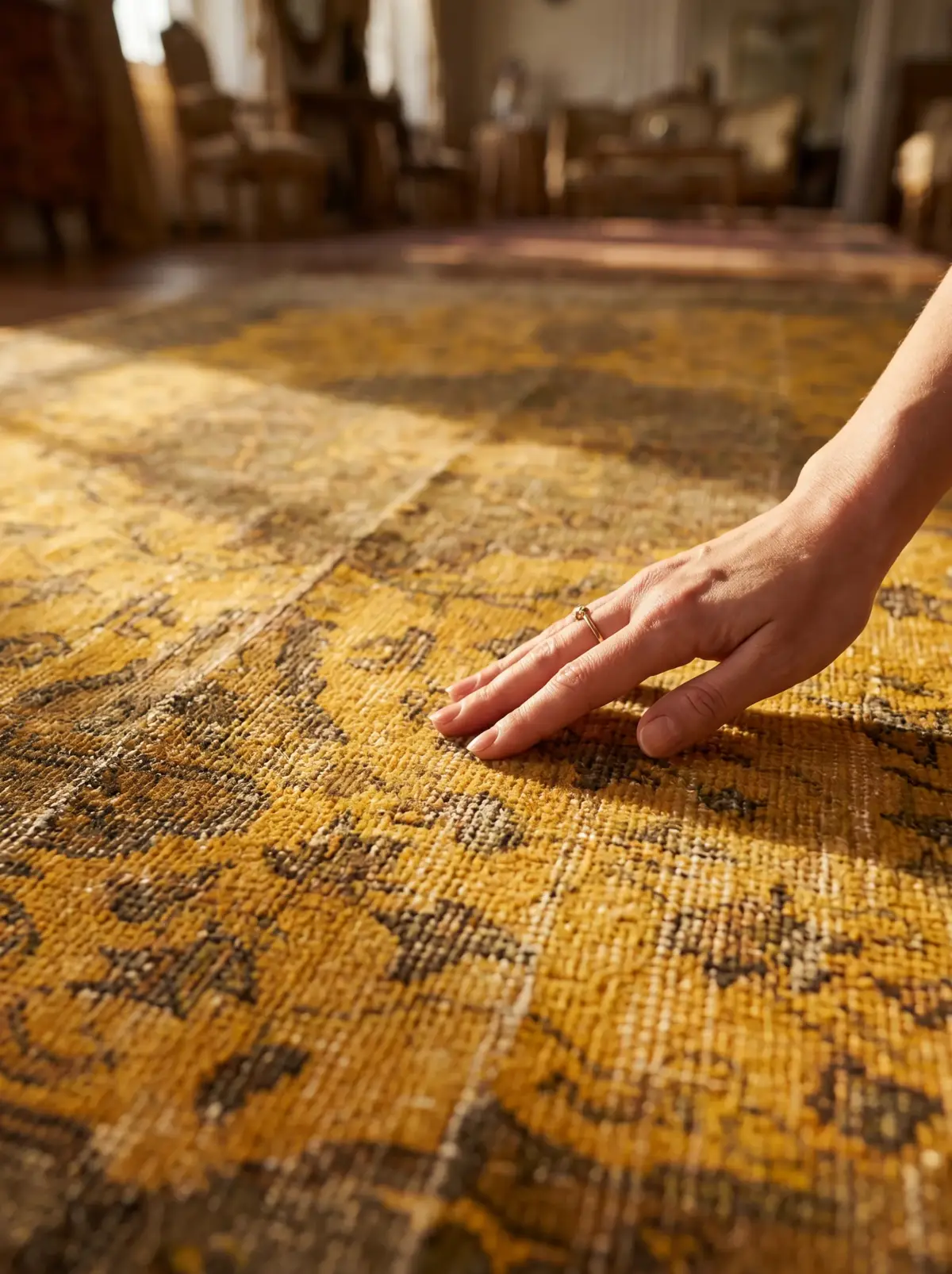
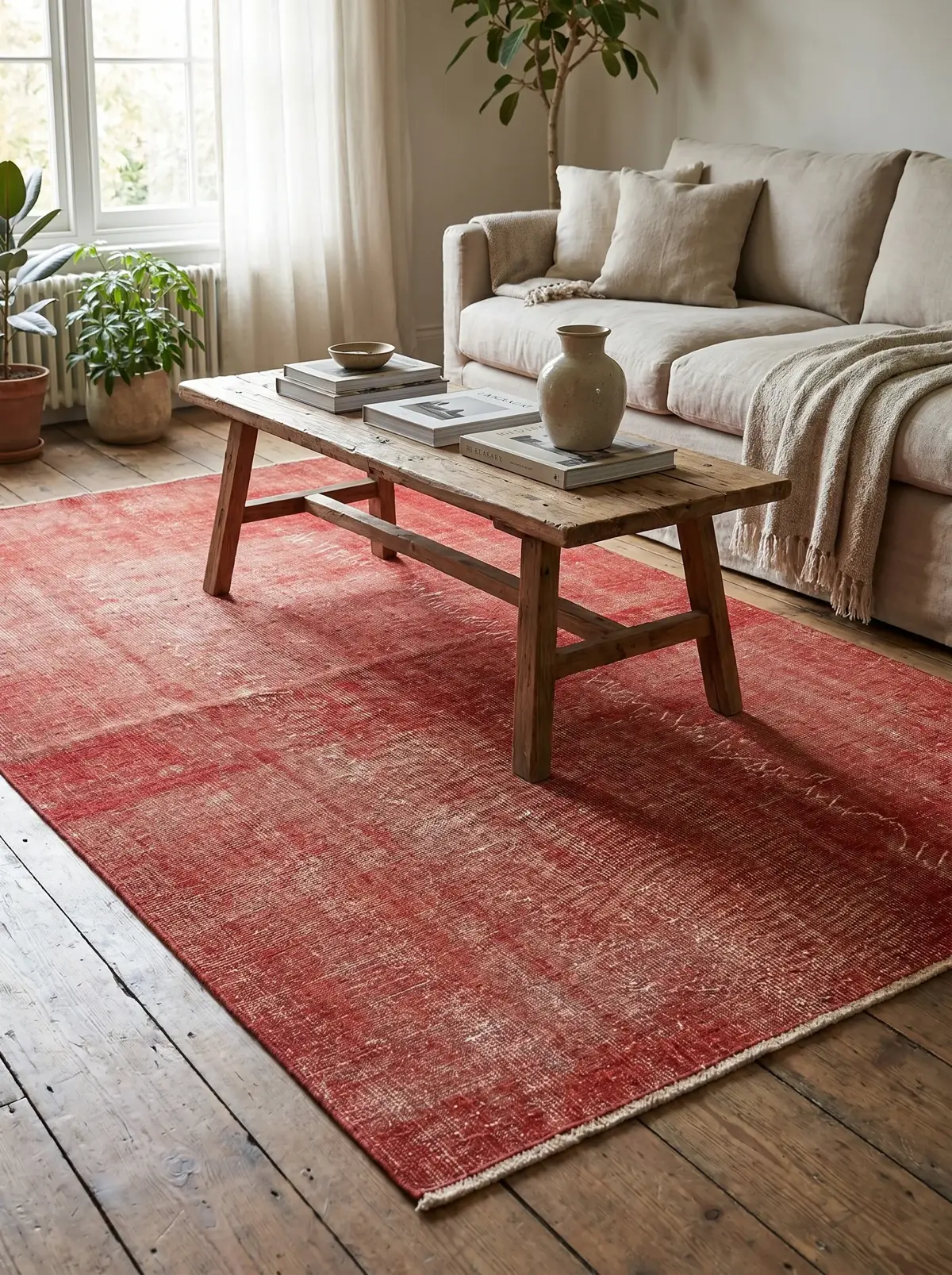


Red Anatolian Medallion Rug
$290$340
−15%You save $50
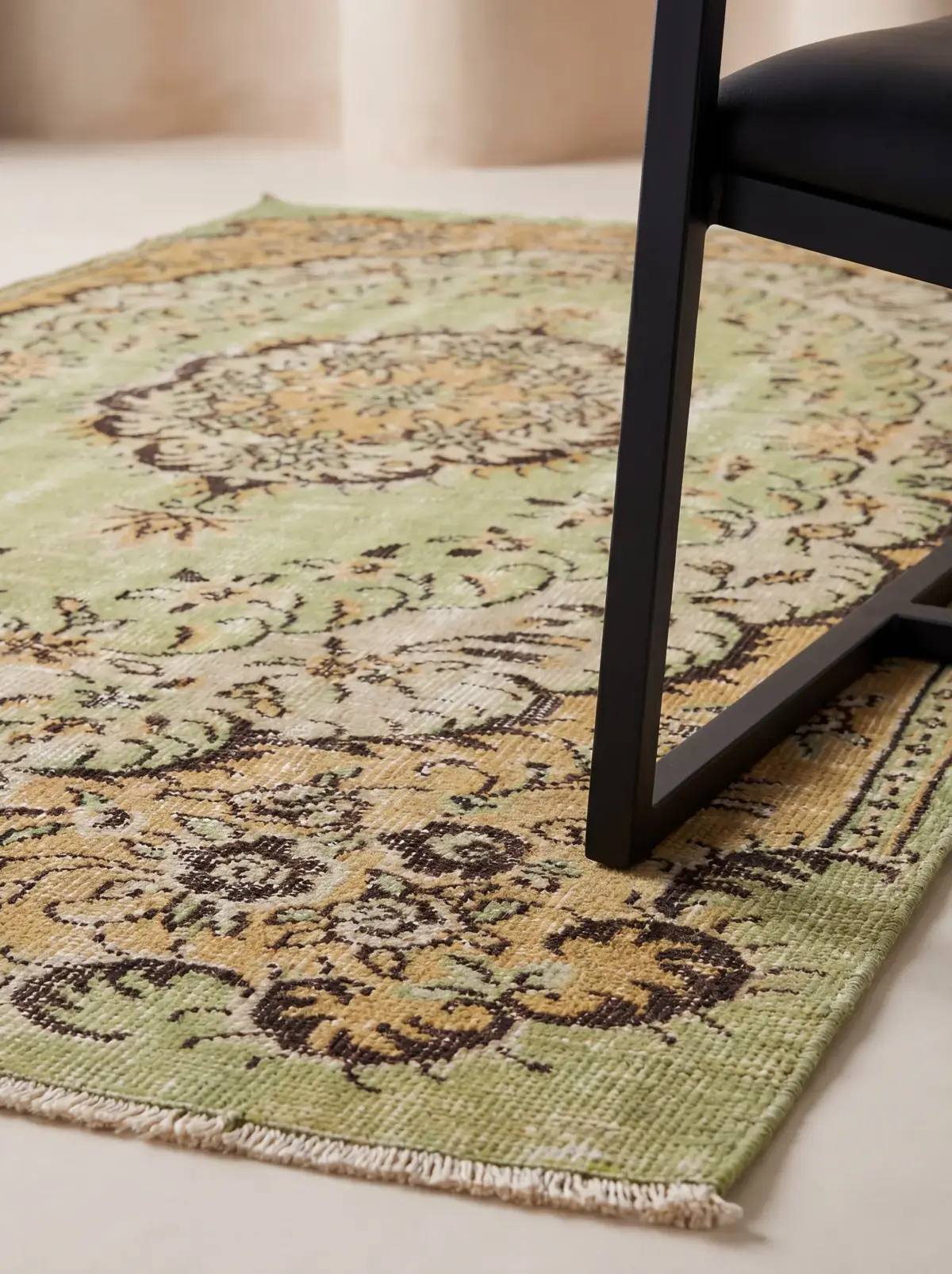
Turkey's rug tradition is not a single craft — it is a constellation of regional schools, each with its own palette, knot logic, and relationship to the landscape that supplied its wool and dyes.
Handmade Turkish rugs divide broadly into hand-knotted pile rugs and flatweaves such as kilims and cicims. Both are woven by hand; the difference is structure. Knotting creates a plush pile. Flatweaving interlocks warp and weft into a thin, reversible textile prized for geometric clarity and portability.
A hand-knotted rug begins with a vertical loom and a cotton or wool foundation. The weaver ties individual knots — typically Turkish (symmetrical) knots in Anatolian workshops — row by row, beating down weft threads between each pass to lock the structure.
A room-size piece may contain hundreds of thousands of knots. A master weaver working eight hours a day might complete only a few square inches of dense floral pattern. That labour is why authentic hand-knotted rugs hold value across generations.
The loom does not forgive haste. Every handmade Turkish rug is a record of time — weeks, months, sometimes more than a year of daily work.
Kilims were woven by nomadic and semi-nomadic communities across Anatolia for centuries. Their bold geometry, slit-tapestry technique, and saturated vegetable dyes make them among the most collectible flatweaves in the world. A fine vintage kilim can anchor a modern interior with more authority than any printed textile.
When collecting handmade Turkish rugs, ask three questions: Who wove it? With what materials? Under what regional tradition? At Bisāṭim we answer all three before a piece joins the collection — so what arrives at your door is not merely decorative, but documented craft.
Continue reading
Ask about provenance, dimensions, care, or trade sourcing — our team replies within 24 hours, Monday through Saturday.
Response time
Within 24 hours · Mon – Sat
Full contact form, trade inquiries, and personal support on our contact page.
Curated for you
One-of-a-kind vintage pieces from our collection — each with documented provenance and character no new rug can replicate.
Find answers to core details regarding delivery, preservation, returns, and organic sourcing.
Domestic orders within Turkey typically arrive in 3–5 business days. International orders usually take 7–14 business days depending on destination, customs clearance, and local carrier schedules.


